

Grow GuideKnowledge
The Hidden Mistake in Many Indoor Farms: Light Without a Plan
Vertical farming sounds automatically efficient. But without precise light planning, artificial lighting can quickly become the biggest energy problem.
This note is no longer available. All notes
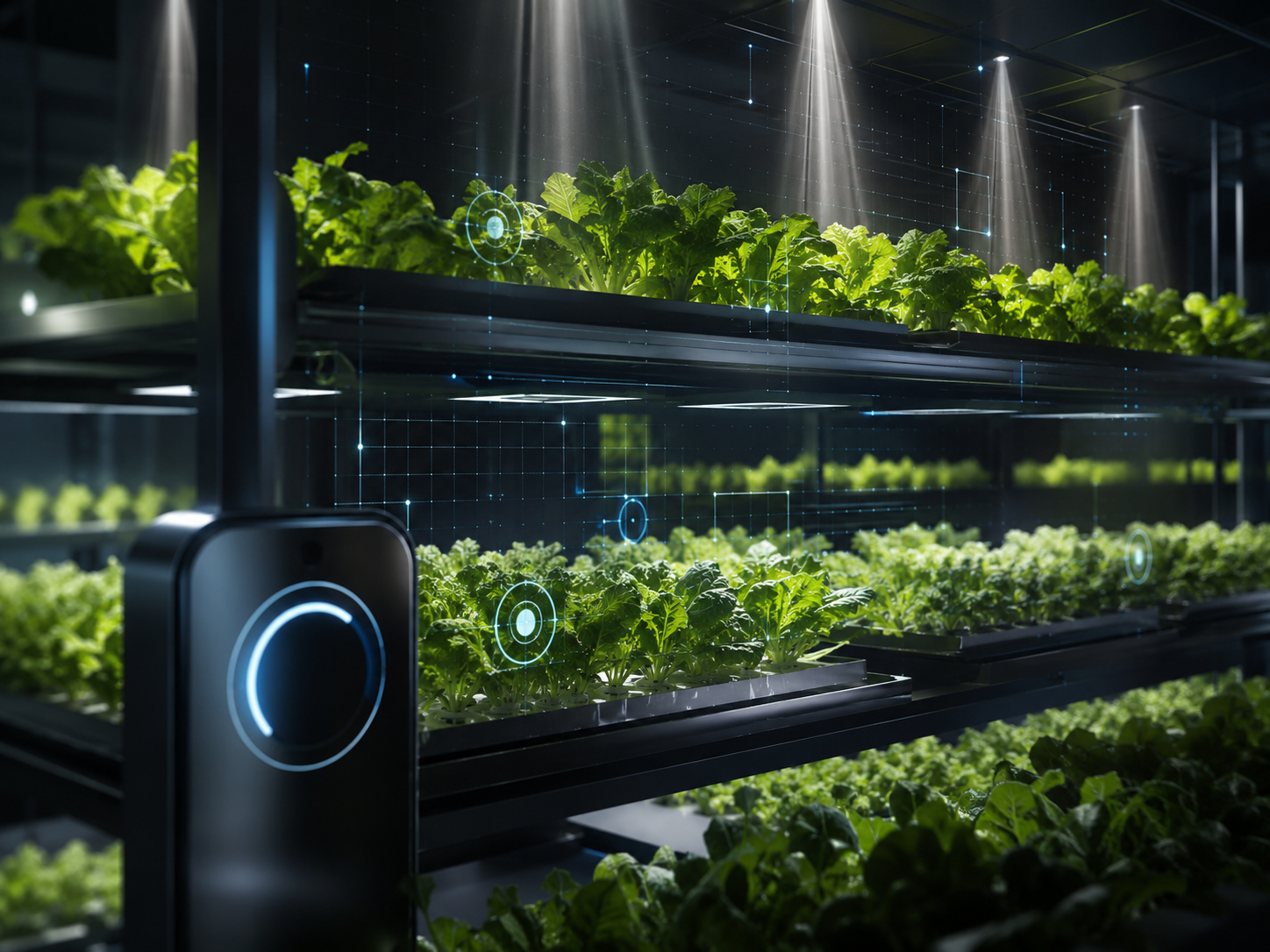
Vertical farming is often presented as a clean, modern and sustainable form of agriculture. And yes: controlled environments, short supply chains and efficient land use can offer major advantages. But one point is often ignored: light costs energy. Outdoors, the sun provides energy for free. In an indoor farm, every photon must be produced artificially. On top of that come climate control, humidity management, dehumidification, pumps and automation. This makes energy one of the decisive factors in whether vertical farming is economically and ecologically viable. Analyses of indoor and vertical farming repeatedly identify lighting and climate control as key cost drivers. The answer is not simply “more LEDs.” The answer is better light management. Light must match the growing area. It must be distributed evenly. It must be dimmable. It must match the crop and growth stage. And above all: it must be measurable. FLORIQ represents exactly this approach. Not light by guesswork, but light by system. Not maximum wattage, but precise plant supply. The future of indoor cultivation will not belong to the brightest lamps — it will belong to the smartest lighting systems.